Yubo Fernández Charts Artistic Evolution Through Monograph and Chelsea Show
A new book by art historian Candido Geron accompanies the painter's New York gallery presentation, exploring narrative depth in her signature work.
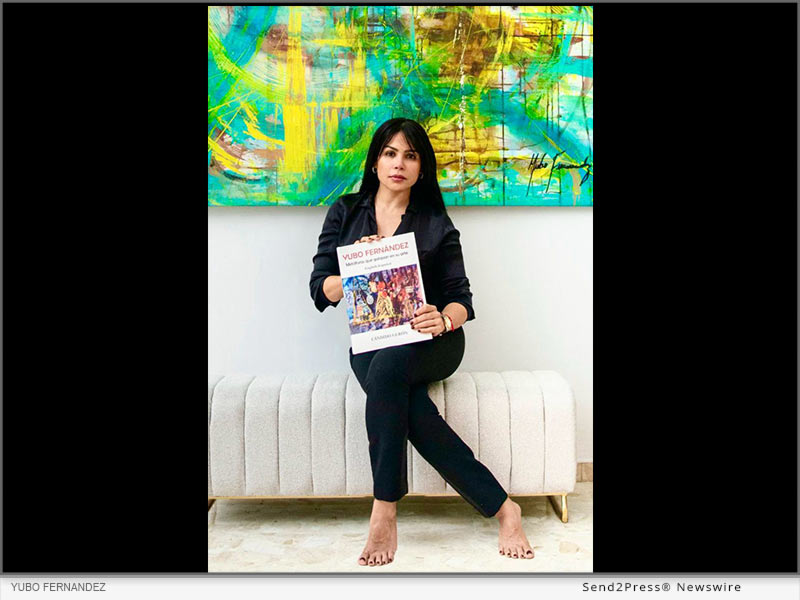
Yubo Fernández is asserting herself within New York's contemporary art landscape through parallel initiatives: the publication of a substantial monograph and a concurrent Chelsea exhibition. The book, titled "Yubo Fernández: Galloping Metaphors in Her Art," has been authored by art historian and critic Candido Geron, who traces the painter's artistic trajectory while examining the conceptual frameworks underpinning her visual practice.
Fernández's work has long engaged with metaphorical language and symbolic representation, positioning her within a broader tradition of painters who employ abstraction and figuration to interrogate narrative structures. Geron's text situates her practice within this context, analyzing how her aesthetic vocabulary has developed across distinct periods. The monograph functions as both retrospective documentation and critical intervention, offering readers access to Fernández's formal investigations and thematic preoccupations.
The timing of the book's release—coinciding with her Chelsea presentation—reflects a strategic approach to artist positioning common among established practitioners seeking to consolidate their market presence and scholarly recognition simultaneously. Such dual launches allow galleries and publishers to amplify audience reach across collectors, curators, and academic audiences, each constituency accessing the work through distinct but complementary frameworks.
Gallery exhibitions paired with scholarly monographs have become standard practice within the contemporary art market, particularly for artists navigating the institutional legitimacy required for sustained international recognition. The Chelsea location situates Fernández within New York's primary commercial gallery district, historically associated with major market players and emerging figures receiving institutional validation. This geographical placement carries symbolic weight beyond logistics, signaling the gallery's confidence in the artist's trajectory and market viability.
For Fernández, the convergence of scholarly attention and commercial presentation positions her work as simultaneously subject to critical discourse and available within commercial exchange—a dual positioning that characterizes successful contemporary practice. The monograph, in particular, creates an authoritative textual framework that shapes how her work circulates intellectually, influencing curatorial decisions and collecting patterns at institutional and private levels.
The exhibition and publication suggest ongoing institutional investment in Fernández's practice, with implications for how her work may be positioned within major survey contexts and collection acquisitions across North American and international museums.