
Seattle musicians bridge generational divides in soul, jazz and hip-hop showcase
A May 31 performance at Seattle Center brings together Grammy-nominated artist Nathan Breedlove, his relatives, and the band Global Heat across multiple musical
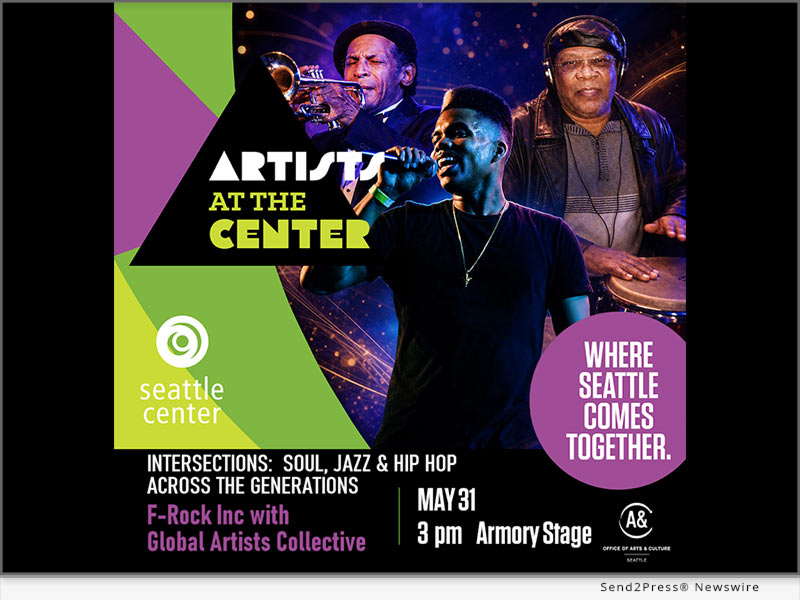
Seattle's musical landscape has long been defined by genre-crossing collaborations, from the city's grunge legacy to its contemporary jazz and hip-hop scenes. On May 31, 2026, that tradition of fusion reaches across family lines with a concert pairing established and emerging artists in conversation with soul, jazz, and hip-hop vernaculars.
The performance, organised by Global Artists Collective, F-Rock Inc., and Seattle's Artists at the Center programme, brings together Nathan Breedlove, a Grammy-nominated jazz musician, alongside his nephew Marcus Sharpe—known professionally as B-Boy Fidget—his brother Ted Sharpe, and the ensemble Global Heat. The event at Seattle Center positions the gathering not as a novelty intergenerational project but as a substantive exploration of how these genres have evolved and informed one another across decades of artistic practice in the Pacific Northwest.
Brødlove's career in jazz has situated him within broader conversations about the genre's contemporary vitality, while Sharpe's work in hip-hop and breaking culture reflects the parallel development of Black artistic expression through rhythm, movement, and community practice. Ted Sharpe's participation, alongside Global Heat's track record, suggests a framework in which family inheritance and artistic mentorship operate as parallel systems. The programming positions these musicians as documenting a specific moment in Seattle's cultural ecology—one where generational knowledge transfer happens not through formal institutional channels alone but through performance and dialogue.
Seattle's Artists at the Center programme has for years worked to create platforms for local practitioners across disciplines. This concert extends that mandate into territory where genealogy, aesthetics, and pedagogy intersect. By presenting these artists in shared performance rather than separate showcases, the organisers propose that the distinctions between soul, jazz, and hip-hop—while meaningful—need not determine artistic segregation or historical siloing.
The event occurs within a broader moment of reassessment around jazz and hip-hop's relationship to one another. Scholars and practitioners have increasingly documented how hip-hop sampling practices functioned as a form of jazz reinterpretation; how rhythmic innovation in rap and breaking draws from earlier improvisational traditions; and how contemporary jazz musicians have moved into dialogue with hip-hop's formal and sonic strategies. A performance architecture that stages this conversation through family relationships and lived experience offers something documentary practices cannot: immediate presence and the specificity of individual artistic voices.
With Global Heat's involvement—described as award-winning—the event gains a fourth musical perspective, one that presumably bridges or synthesises elements across the evening's stated genres. The inclusion suggests that the performance operates not as a historical retrospective but as an active workshop in contemporary possibility.