Peanut the Squirrel Becomes Political Symbol in Chelsea Gallery Exhibition
New York exhibition 'Opposing Visions: The Trump Era in Art' presents the deceased animal as figurative artwork alongside political figures.
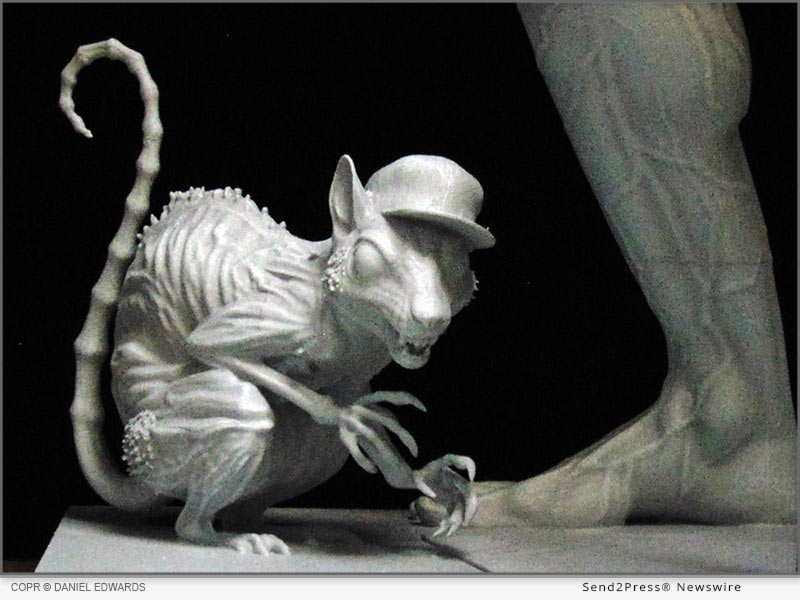
A deceased squirrel known as Peanut has become the subject of artistic interpretation in a Chelsea gallery district exhibition that examines contemporary political iconography through sculptural work. The Iconoclast Room announced the presentation of the animal within "Opposing Visions: The Trump Era in Art," positioning it alongside figurative representations of Elon Musk, Robert F. Kennedy Jr., and President Donald Trump.
The exhibition reflects broader patterns in how art institutions engage with events that achieve cultural salience through social media circulation and partisan interpretation. Peanut's inclusion signals how vernacular symbols—those originating outside traditional art-world channels—increasingly populate contemporary curatorial frameworks. The animal's death in October 2024 following intervention by New York State Department of Environmental Conservation officers generated significant online discourse, with supporters framing the incident as exemplary of government overreach.
The Iconoclast Room's curatorial decision to incorporate the squirrel sculpture demonstrates how artists and institutions are processing the Trump era's visual and symbolic vocabulary. Rather than treating political figures in isolation, the exhibition groups them with the animal, creating a composite statement about contemporary American iconography and the mechanisms through which certain individuals or objects achieve emblematic status within particular constituencies.
This approach reflects longer art-historical precedents in which artists have examined propaganda, symbolic systems, and the construction of political meaning through material form. Works engaging with political mythology have appeared across institutional venues over recent decades, though few have centered on animals circulating primarily through digital networks before achieving art-world consideration.
The exhibition's title suggests it intends to present contrasting interpretative frameworks rather than a unified ideological position. Whether the work functions as critique, documentation, or endorsement remains contingent upon viewer perspective—a characteristic tension in art addressing politically polarized subjects.
As institutions continue to grapple with how to meaningfully engage contemporary political fragmentation through artistic presentation, exhibitions like this one indicate a willingness to take seriously symbols and figures that emerge from outside traditional curatorial channels.