
Northern California Assemblage Artists Gain Global Reach Through UK Distribution Deal
Award-winning survey of overlooked West Coast practitioners expands beyond North America through Gazelle partnership
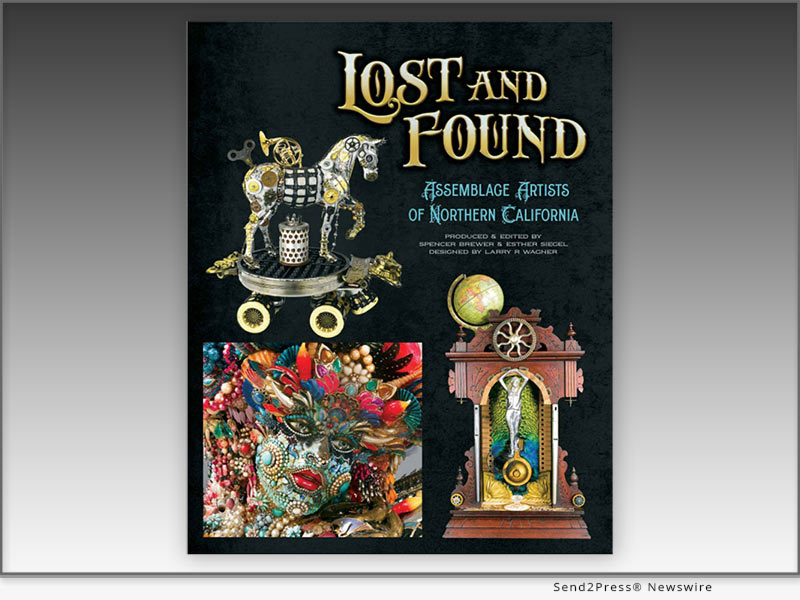
A retrospective study of Northern California's assemblage movement is entering the international market through a distribution agreement announced this month. "Lost and Found Assemblage Artists of Northern California" (ISBN: 978-0578337722), edited by Spencer Brewer and Esther Sigel with photography by Larry R Wagner, will now reach United Kingdom audiences via Gazelle Book Services, extending the publication's reach beyond its initial North American circulation.
Assemblage art—characterized by the combination of found objects and materials into three-dimensional works—flourished along the West Coast during the mid-to-late twentieth century, yet many of its practitioners remained obscure outside regional art-historical discourse. The book reclaims these overlooked figures, positioning them within the broader genealogy of postwar American art. By bringing the survey to international readers, the expanded distribution acknowledges growing scholarly interest in recovering marginalized artistic legacies and the role of regional practices in shaping modernism's varied trajectories.
Bajek Publisher Services, based in Naples, Florida, has facilitated the partnership with Gazelle, a London-based distributor specializing in art and academic titles. Such arrangements reflect the publishing industry's shift toward leveraging established distribution networks to reach European institutions, libraries, and collectors with niche art-historical content. The move also signals confidence in the book's resonance among curators and scholars beyond California's borders.
The publication itself has gained recognition within the field since its release, suggesting that institutional audiences and practitioners have found value in its documentation of assemblage's regional importance. As more publishers establish international distribution channels for specialized art books, works examining overlooked movements and geographies are reaching academic communities that might otherwise have limited access to such materials. This development reflects a broader realignment in how art-historical knowledge circulates globally, moving beyond traditional gateway institutions in New York and Los Angeles.