Brooklyn Exhibition Showcases Foreign-Born Artists Working Across American Creative Indust
The Espejo Organization for the Arts presents 'The Extraordinaries,' featuring immigrant practitioners across multiple disciplines.
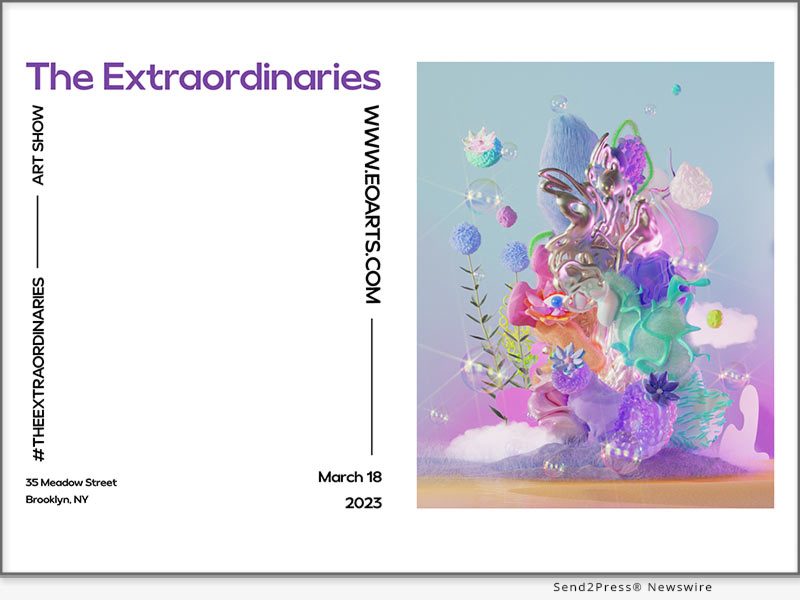
The Espejo Organization for the Arts (EOarts) will open The Extraordinaries on March 18, 2023, at its Brooklyn venue, assembling work by foreign-born artists established within the American creative sector. The exhibition's title references the visa and permanent resident classification awarded to professionals demonstrating extraordinary ability in the arts—a category that has long shaped immigration policy and artistic practice in the United States.
The show draws together practitioners across multiple disciplines, reflecting the global networks and transnational movements that have defined contemporary artistic production for decades. By grouping these artists under a single institutional rubric, EOarts engages with both the bureaucratic apparatus governing artistic migration and the broader historical pattern of American cultural institutions benefiting from international talent. The exhibition raises implicit questions about how national borders intersect with artistic legitimacy and professional recognition.
The curatorial framework acknowledges that many significant figures working within American museums, galleries, design studios, and creative industries were born outside the United States. Rather than presenting immigrant artists as a discrete category of outsiders, the show positions them as central participants in the formation of contemporary American visual and creative culture. This approach aligns with growing institutional interest in examining the geopolitics of artistic labor and the often-invisible contributions of foreign-born professionals to the American art world.
EOarts has positioned the exhibition within conversations about artistic mobility, institutional representation, and the selective nature of recognition bestowed through immigration law. The visa classification referenced in the title—typically associated with musicians, dancers, and visual artists of international standing—carries significant cultural capital but also reflects subjective determinations of artistic value. By making this classification visible within the exhibition context, EOarts encourages viewers to consider how administrative categories shape artistic careers and institutional narratives.
The Extraordinaries arrives at a moment when many American institutions are reconsidering how they represent artistic practice and whose contributions they acknowledge. Museums and galleries increasingly examine the demographics of their collections and exhibitions, alongside questions about labor equity and the economic conditions enabling artistic work. International artists working in the United States navigate particular pressures around visa status, employment authorization, and professional stability that shape both artistic production and institutional access.
The exhibition's model of aggregation—gathering diverse practitioners under a shared immigration status rather than shared aesthetic or geographic origin—offers a distinctive curatorial strategy. This approach potentially reframes how audiences understand artistic community, highlighting structural factors that link otherwise disparate practices. As American cultural institutions continue to reassess their international relationships and domestic representation, exhibitions examining the role of foreign-born artists may illuminate both historical precedent and contemporary artistic networks that institutions have long taken for granted.