
Bailey Contemporary Arts announces 2023–24 residents at Pompano Beach hub
The newly appointed cohort will occupy studio space at the historic facility, participating in collaborative projects and community engagement initiatives.
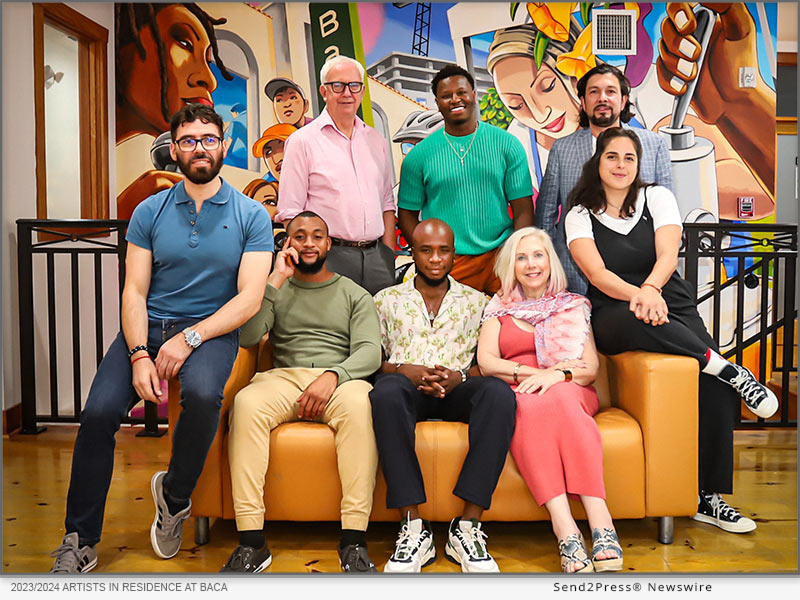
The City of Pompano Beach Cultural Affairs Department has unveiled the incoming class for its Artists in Residence programme at the Bailey Contemporary Arts Center, a historically significant venue in the South Florida cultural landscape. The initiative, which runs through the 2023–24 season, grants selected artists access to dedicated studio space alongside opportunities for peer collaboration and public programming.
Artists in residence programmes have long served as institutional mechanisms for supporting artistic production outside commercial market pressures, allowing practitioners to develop new bodies of work while remaining embedded in cultural communities. The Bailey Contemporary Arts Center's iteration distinguishes itself by emphasizing the symbiotic relationship between resident artists and the surrounding neighbourhood, positioning creative practice as a catalyst for broader civic engagement rather than as an isolated endeavour.
The residency model accommodates multiple working styles and mediums, fostering cross-disciplinary dialogue among the selected cohort. By housing artists within a shared environment, such programmes historically generate unexpected collaborations and intellectual exchanges that often extend beyond individual studio practice into public-facing exhibitions, workshops, and educational activities.
Pompano Beach's commitment to sustaining artist residencies reflects a broader institutional recognition that cultural infrastructure requires sustained public investment. The programme underscores how municipal cultural departments function as essential stewards of artistic opportunity, particularly in regions where real estate pressures and market forces increasingly constrain independent artistic production.
The 2023–24 cohort will build upon the foundation established by the facility's previous residents, continuing a lineage of artistic experimentation and community-centred practice at the venue. As cultural institutions worldwide grapple with questions of accessibility and community accountability, residency models that prioritize both artistic autonomy and public engagement remain vital frameworks for sustaining robust artistic ecosystems.